Bestillingsportalen har hatt tekniske problemer – dette er nå løst. Ta gjerne kontakt med oss på post@tolkenett.no hvis du har spørsmål.

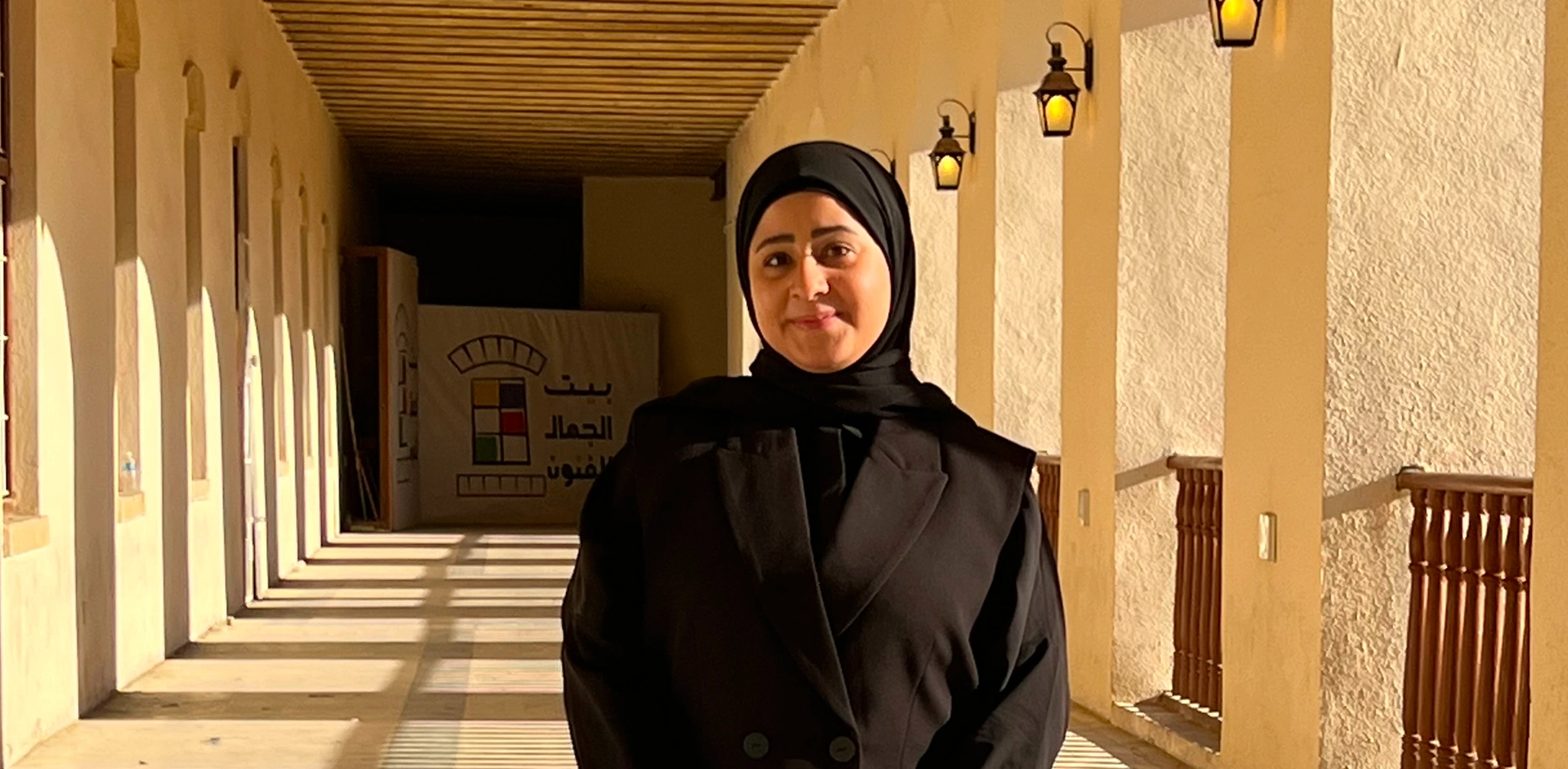
Duah now works in TolkeNett’s Language Department, but she has extensive experience from the other side of the table. “I’ve worked with interpreters for over five years as a counsellor and team leader in NAV, specifically within employment and inclusion services,” she explains. Interpreted conversations were a natural part of her daily work. To ensure smooth and respectful communication for everyone involved — the client, interpreter, and professional — she developed clear routines.
Duah emphasizes the importance of preparing both yourself and the interpreter beforehand. She usually shares relevant details with the interpreter in advance, such as the topic of the meeting and whether it will be a one-on-one or a group conversation.
I prepare myself mentally to speak slowly, because I tend to talk fast. I stay aware of that during the conversation and ask the interpreter to let me know if I’m going too fast. I use short segments, structure my topics clearly, and stick to one issue at a time – that way we make the most of our time."
Every interpreted conversation begins with a brief introduction. Duah starts by presenting herself as the facilitator, then introduces the participant and asks the interpreter to introduce themselves and their role.
After the introductions, she briefly explains what the meeting will be about and how much time is allocated. “I usually tell them the main topic and how long the meeting will take” she says.
She also makes sure to prepare the interpreter for potential challenges. “I always mention that the client might spontaneously respond in Norwegian. That happens sometimes, and it’s important that the interpreter isn’t caught off guard - misunderstandings can happen otherwise.”
Duah keeps the conversation focused by moving through one topic at a time. “I go through the topics one by one. IfI get vague answers, I’ll ask follow-up questions or ask the client to repeat what they understood. This helps me make sure they’ve received the information correctly.”
To promote open dialogue, she avoids yes/no questions when possible. “Open-ended questions give fuller answers and help me understand more,” she adds.
When asked about cultural differences, Duah is clear: “It’s the professional’s responsibility to maintain a neutral and respectful conversation, regardless of cultural backgrounds.”
She generally avoids involving family members in the meeting to prevent pressure, disagreements, ordistraction. “If family members are present and cause disturbance, I ask them to leave the room — if possible.”
Duah notices a clear difference between meetings with and without an interpreter. “A conversation without an interpreter usually moves faster because you can express yourself directly and get an immediate response. When working through an interpreter, you need to allow extra time since everything is said twice.”
The best experiences, she says, are when the interpreter is professional and reliable. “A good interpreter arrives on time, introduces themselves, and ensures that both they and the participant understand each other. If there’s any confusion, they ask for clarification and remain neutral – no matter the topic or question.”
For those using an interpreter for the first time, Duah offers clear advice: “Plan the topics in advance — ideally no more than two per meeting. Agree with the interpreter on whether they prefer longer or shorter segments. Don’t interrupt while they’re interpreting. If the meeting lasts more than an hour, plan a short break after about 45 minutes. Everyone benefits from that —especially the interpreter.”
She emphasizes creating a good experience for everyone involved:
Everyone should feel comfortable in the conversation. That’s why it’s important to allow enough time so no one feels stressed — neither the professional, the client, nor the interpreter.”
Duah believes it’s crucial that morepeople recognize the interpreter’s importance.
Interpreters deserve the same respect as any other professionals. They do essential work in the public sector.
She stresses that an interpreter’s role is strictly about language – not about acting as a cultural liaison or personal assistant. “The interpreter is there to make sure the conversation is understood by all parties.”
One experience that really highlighted the interpreter’s importance for Duah was a meeting where no interpreter had been booked. “It showed how vulnerable we are without one — and how vital their work truly is.”
Having worked as an interpreter herself, Duah says this gave her a deeper understanding of their perspective. “I do what I can to make sure interpreters have a good experience and are protected from uncomfortable situations.”
Through clear routines, respect for interpreter’s role, and awareness of communication dynamics, Duah shows how professionals can create better interpreted conversations. Her experience is a reminder that professional interpreting is a shared process — and that being well-prepared always pays off.
06.11.2025
Do you have questions or need more information? Feel free to send us a message via the form.
If you need an interpreter, please place your order in the portal if you have a user account, or contact us at post@tolkenett.no.