From exception to rule: when qualified interpreting becomes the norm
Popular articles


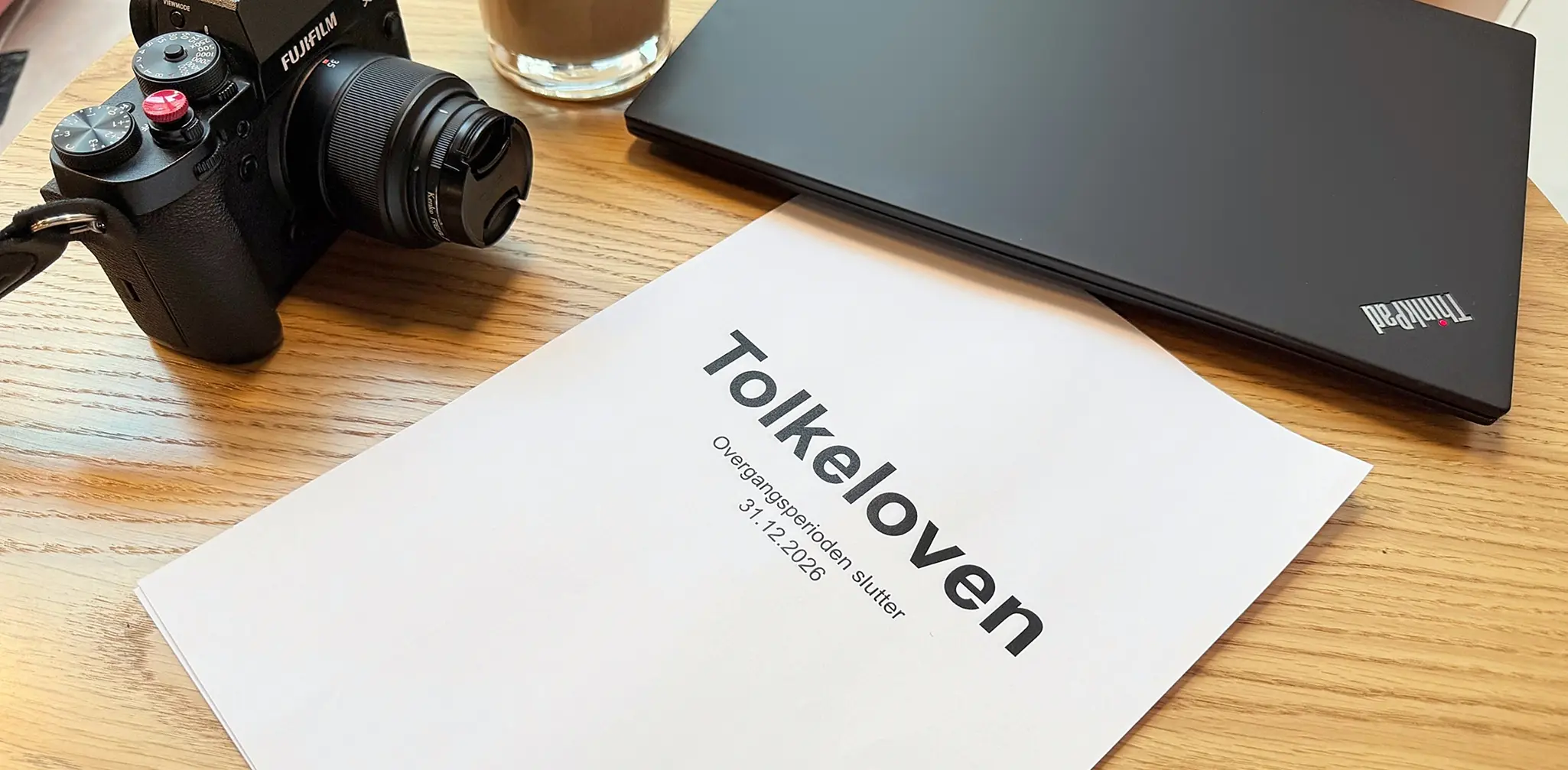
The requirement to use qualified interpreters was set out in the Norwegian Interpreter Act (tolkeloven) in 2022, but a dispensation period has applied until 31 December 2026. From 1 January 2027, the provisions of the Act apply in full. Here we explain what this means for you as a client, and how you can prepare.
What happens on 1 January 2027?
The Interpreter Act came into force in 2022. Because there was a shortage of qualified interpreters when the Act was introduced, public bodies were given a dispensation from the requirement to use qualified interpreters. The dispensation allows the use of interpreters who are not qualified, even in situations where the Act requires a qualified interpreter. It is set out in section 7 of the Interpreter Act: until 31 December 2026, there is a dispensation from the requirement to use a qualified interpreter.
“From 1 January 2027, the main rule will be that public bodies must use qualified interpreters whenever they are obliged to use an interpreter. This means that public-sector clients need to be more conscious of securing qualified interpreters and plan their interpreting needs accordingly,” says Hanna, Head of HR and Recruitment at TolkeNett.
What does the Interpreter Act require?
In short, the Interpreter Act says that public bodies must use an interpreter when it is necessary to safeguard due process (legal protection) or to provide proper help and services. The interpreter must also be qualified, and from 1 January 2027 this requirement applies without dispensation. The Act also states that children must not be used as interpreters.
A qualified interpreter is an interpreter listed in the National Register of Interpreters (Nasjonalt tolkeregister) in category A to E. Read more about the categories in the article What Makes a Qualified Interpreter?.
When there is no qualified interpreter in the language
Qualified interpreters must always be prioritised and used in accordance with the Act, but there are still languages with no qualified interpreters in the National Register of Interpreters. According to IMDi’s Tolkemonitor, it is also particularly difficult to find qualified interpreters in Ukrainian, Arabic and Russian.
For some languages, there is not yet any route to qualification. New interpreters are tested and qualified by public educational institutions, which follow a language plan. The Bilingual Test (Tospråktesten), the first step into the register, is therefore only held in selected languages, and offering the test in a new language requires examiners who can assess the candidates. In these languages, TolkeNett can provide skilled interpreters who have been tested and quality-assured through our own procedures. A lack of formal qualifications does not necessarily mean a lack of competence.
Often, timing matters as much as the language.
“Good planning makes a big difference. Many people want an interpreter at the same times of day, even though there is available capacity at other times during the working day. If it is difficult to find a qualified interpreter, get in touch with us. Together we can look at other times, whether remote interpreting is possible, and whether the challenge is about capacity or a genuine shortage of qualified interpreters,” says Hanna.
More qualified interpreters every year
Things are moving in the right direction. According to IMDi’s Tolkemonitor, 48 per cent of interpreting assignments in the public sector were carried out by qualified interpreters in 2020. In 2025, the share is estimated at 72 per cent.
At the same time, IMDi estimates that more than 550 additional qualified interpreters are needed to meet demand. The authorities and educational institutions are working to qualify more interpreters: the Bilingual Test is held twice a year, and there are study programmes such as the introductory course at HVL and the bachelor’s degree in interpreting.
Five things to know before booking an interpreter from the new year
- Book early. The sooner we receive your booking, the better the chance of finding a qualified interpreter.
- Be flexible with timing. Many people book at the same times. If you can move the appointment slightly, more interpreters may become available.
- Consider video or telephone interpreting. If a qualified interpreter is not available on site, the assignment can often be carried out as remote interpreting. According to IMDi, video interpreting is preferable, while telephone interpreting is best suited to short conversations. Feel free to mention this when you book.
- Give us good information about the assignment. Tell us what the conversation is about, how long it will last and what your needs are, but do not share unnecessary personal data.
- Contact us if it is difficult to get an interpreter. We will find a solution together.
“The better the information we receive, the easier it is to find the right interpreter and make the best use of capacity. That way, together we can make sure the requirements of the Interpreter Act are met,” says Hanna.
Does your organisation use interpreters regularly? Then you must have your own guidelines for booking and using interpreters (section 9 of the Interpreter Act). Feel free to contact us, and we will send you our procedures for booking and using interpreters, which you can build on.
Frequently asked questions
When does the transition period in the Interpreter Act end? The dispensation from the qualified interpreter requirement applies until 31 December 2026. From 1 January 2027, the requirement applies in full.
What is a qualified interpreter? An interpreter listed in the National Register of Interpreters in category A to E.
What do we do if there is no qualified interpreter in the language? Contact us. We will look at other times, remote interpreting and other solutions together with you.
Book an interpreter with TolkeNett
Need an interpreter? Book in the Booking Portal or contact us, and we will help you find the right interpreter.
29.10.2026
Contact Us
Do you have questions or need more information? Feel free to send us a message via the form.
If you need an interpreter, please place your order in the portal if you have a user account, or contact us at post@tolkenett.no.